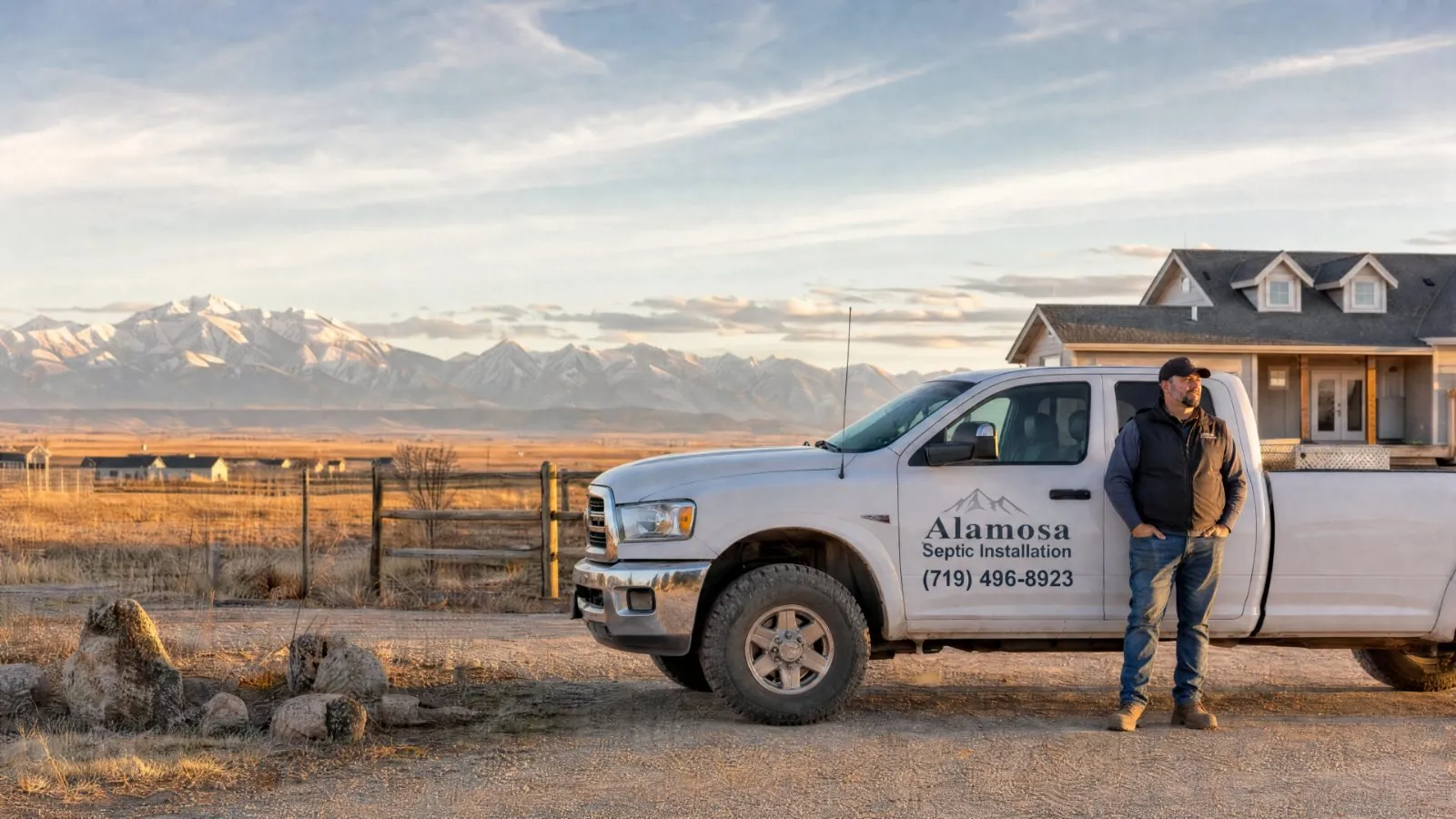
Septic Installation in the San Luis Valley
Septic System Installation in Alamosa, CO
Planning a new septic system or replacing an old one? Tell us about your property.
We connect property owners with independent septic contractors.
Request an Installation Quote(719) 496-8923Septic System Installation for Alamosa Properties
A septic system is one of the most important parts of a property that is not connected to a public sewer. It needs to handle everyday wastewater safely while working with the soil, water conditions, available space, and local requirements. At Alamosa Septic Installation, we focus on helping property owners plan septic systems that make sense for their land and intended use.
Whether you are building a home outside Alamosa, replacing a failing septic system, or dealing with an aging leach field, the right starting point is understanding your property. We focus on septic system installation, septic system replacement, and leach field replacement across the San Luis Valley.
Local Septic Installation With the San Luis Valley in Mind
The San Luis Valley is not a place where every property can be treated the same way. Wide agricultural parcels, rural residential lots, areas near irrigation systems, and land closer to the surrounding mountains can present different conditions for wastewater treatment. Our approach starts with those differences rather than assuming that one septic design will work everywhere.
We believe a septic installation should be explained clearly before excavation begins. Property owners deserve to understand why the proposed tank location matters, how the absorption area will function, and what site preparation may be necessary. We also believe that careful planning can help reduce unnecessary digging, avoid conflicts with other property features, and make future maintenance easier.
Alamosa is our starting point for septic installation inquiries across the San Luis Valley. Project planning starts with the parcel location, whether sewer service is available, and what access the installer will have.
More about us
Our Services
Our work centers on three connected septic services: installing systems for new construction and suitable existing properties, replacing systems that can no longer serve their intended purpose, and replacing leach fields when the wastewater absorption area is no longer functioning properly. Each service begins with understanding the property and the conditions that affect the work.
Septic System Installation
New septic systems planned around your property's soil, wastewater needs, and applicable installation requirements.
Learn more →Septic System Replacement
Replace aging or failed septic systems with a solution based on current site conditions and requirements.
Learn more →Leach Field Replacement
Replace failing septic absorption areas using site evaluation, appropriate design, and careful installation planning.
Learn more →Where We Serve You
Browse septic installation service areas across the San Luis Valley, including South Fork, Monte Vista, Del Norte, Crestone, La Jara, San Luis, and Fort Garland.
Why Site Conditions Matter in the San Luis Valley
The San Luis Valley combines high elevation, cold winters, agricultural water use, and substantial differences in soil and groundwater conditions. Those factors make site-specific planning especially important for septic installation.
Soil Conditions and Wastewater Treatment
A septic system relies on suitable soil to receive and treat effluent after it leaves the tank. Sandy material, fine-grained soils, compacted layers, and mixed soil profiles can behave differently. The soil must be evaluated to determine which wastewater treatment approach is appropriate.
A large property may still have limited usable soil treatment space. Testing and evaluation are therefore essential parts of the planning process, not optional details that can be replaced by visual inspection alone.
Groundwater and Irrigation
Parts of the valley contain agricultural fields, irrigation ditches, and seasonal changes in shallow groundwater. These conditions can influence where a soil treatment area may be placed and whether a proposed design meets required separation distances.
A property that looks dry at the surface may have subsurface conditions that require closer investigation. We emphasize understanding those conditions before committing to a final installation layout.
Cold Weather and Access
Alamosa experiences cold winters, and freezing conditions can complicate excavation and construction scheduling. Pipe placement, appropriate cover, grading, and protection from damage are important installation considerations.
Access also matters. Septic tanks and excavation equipment must reach the work area without creating unnecessary problems for buildings, driveways, fences, or other improvements. Thinking through access early can prevent avoidable complications once work starts.
What to Expect From a Septic Installation Project
A septic installation generally starts with a discussion about the property and how it will be used. New homes, replacement projects, seasonal residences, and properties with additional buildings can have different wastewater planning needs.
Understanding the Property
The first step is gathering useful information. This may include the parcel location, existing improvements, available site plans, proposed building size, bedroom count, water supply, and information about any existing septic system.
If the property is undeveloped, the proposed home location and driveway can be important. If the project involves replacement, records of the existing system and the problems being experienced can help define the next steps.
Site Evaluation and Design Requirements
The applicable county and state requirements determine what evaluations, plans, and permits are needed. Site and soil evaluations may need to be completed by qualified professionals, and some projects require professional design.
A suitable system must be selected based on the documented conditions and regulatory requirements. We do not treat an installation estimate as a substitute for these necessary evaluations.
Planning the Installation
Once the approved design and permit requirements are established, installation work can be organized around excavation, tank placement, piping, distribution components, treatment area construction, and required inspections.
Proper sequencing matters. Some work must remain accessible for inspection before it can be covered. Property owners should understand these milestones rather than being surprised by them during construction.
Final Site Work
After the required approvals, appropriate backfilling and grading help protect installed components and direct surface water away from sensitive areas. The finished system should also be documented so important components can be located for future maintenance.
Good records can make pumping, inspection, and later property improvements much easier.
Serving Alamosa and Nearby San Luis Valley Communities
We take new installation and replacement inquiries across the San Luis Valley. Start with the community nearest your property, then share the parcel address so we can check installer availability.
Alamosa and Surrounding Rural Parcels
Properties outside the municipal sewer service area may depend on onsite wastewater treatment. These can include rural residences, homes on acreage, and new construction on privately owned land.
For Alamosa-area projects, we pay particular attention to how proposed development, existing wells, irrigation features, and suitable soil treatment areas fit together. We also recognize that a parcel near town may have different service options from a property farther into the county.
Monte Vista
Monte Vista combines established residential areas with agricultural land and rural homes beyond the developed town. Septic planning on surrounding properties may need to account for irrigation infrastructure, farm access, and the placement of wastewater treatment components away from sensitive areas.
Del Norte
Del Norte sits along the upper Rio Grande corridor, where the landscape transitions from agricultural valley land toward foothills and higher terrain. Outside established sewer service areas, septic installation can involve evaluating slopes, soil conditions, and access on varied parcels.
Crestone
Crestone-area properties can differ substantially between the town, the Baca Grande development, and more remote parcels near the Sangre de Cristo foothills. Some properties are served by centralized wastewater infrastructure, while others may require an approved onsite system. Confirming service availability and land-use requirements is a critical first step.
Why Choose Alamosa Septic Installation?
Property-First Planning
We focus on the actual conditions of your land, including soil, drainage, available space, and access, before settling on an installation approach.
Straightforward Communication
We explain the work in plain language so you can understand the major steps and decisions.
San Luis Valley Focus
Our service content and planning approach reflect the climate, rural properties, agricultural surroundings, and varied landscapes of this region.
Attention to the Whole System
We consider the relationship between the tank, piping, distribution components, and soil treatment area rather than looking at one component in isolation.
Permit-Aware Planning
We recognize that approved designs, local requirements, and inspections are essential parts of a responsible septic installation.
What People Ask Us
Do I need a permit to install a septic system in Alamosa?
New onsite wastewater treatment systems generally require approval through the responsible local public health authority. The application may involve site evaluation, plans, and inspections. We recommend confirming the specific requirements for your parcel before scheduling construction.
How do I know what septic system my property needs?
System selection depends on wastewater demand, soil conditions, groundwater separation, available space, and local regulations. A site and soil evaluation helps determine which designs may be suitable. The correct choice should be based on documented conditions rather than property size alone.
Can a septic system be installed during winter?
Winter installation may be possible in some circumstances, but frozen soil, snow, weather, and inspection availability can affect the work. The feasibility depends on site conditions and the approved construction plan. Early planning helps avoid scheduling surprises.
Can I replace only my leach field?
Sometimes the soil treatment area can be replaced without replacing every other system component. The existing tank, piping, and overall system condition need to be evaluated first. Local requirements and the available replacement area determine what is possible.
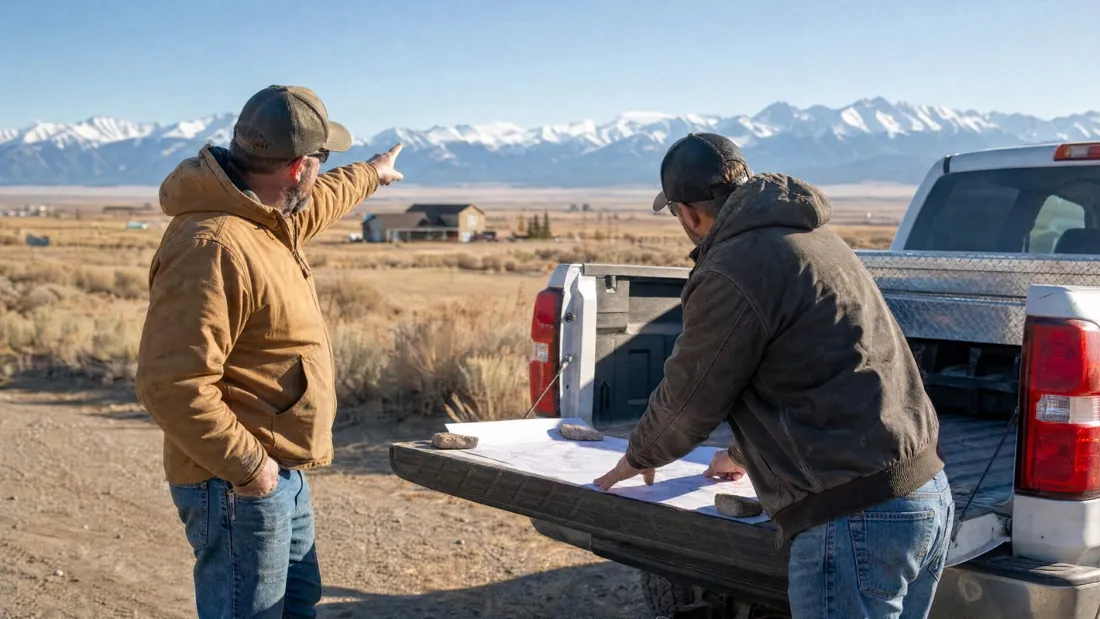
What Affects Septic Installation Cost?
A quote depends on the approved layout, tank capacity, type and size of the soil treatment area, and how equipment reaches the work. A replacement can also involve decommissioning old components and restoring disturbed ground.
Ask the installer to itemize design and soil evaluation, permit and inspection fees, excavation, materials, and final grading. A parcel address, planned bedroom count, and any existing permit or design help the installer give a more useful estimate.
See the Alamosa County residential development guide for planning details.
Request an Installation Quote
Tell us where your property is located and whether you need a new installation, full replacement, or leach field work.
Free — no obligations