
Replacing Aging and Failed Septic Systems
Septic System Replacement in Alamosa, CO
Concerned about your existing septic system? Explain what is happening.
We connect property owners with independent septic contractors.
Request an Installation Quote(719) 496-8923When an Existing Septic System Needs Replacement
A septic system can become difficult to maintain when important components deteriorate, the soil treatment area stops accepting wastewater, or the system no longer meets the needs of the property. Repeated sewage backups, surfacing wastewater, and documented system failures are reasons to investigate the condition of the system promptly.
Replacing a septic system calls for more than removing an old tank. The entire wastewater treatment arrangement should be assessed to determine what must change and whether a new installation location is available. We focus on helping Alamosa-area property owners approach replacement with a clear plan and an understanding of the work involved.
Alamosa Septic Installation Is Proud to Serve San Luis Valley
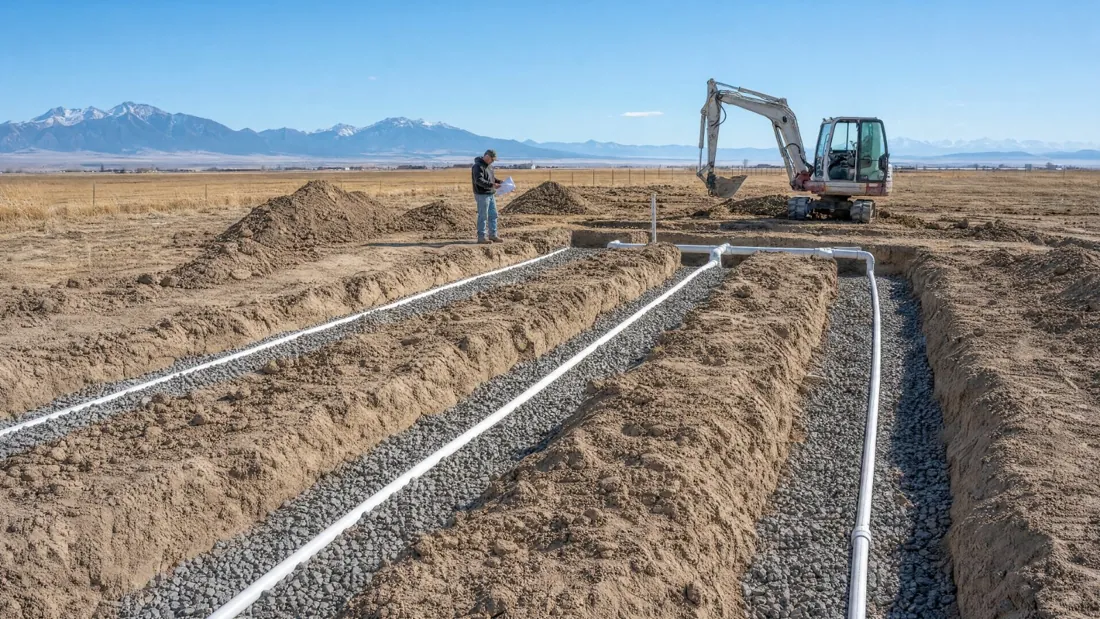
Understanding the Septic Replacement Process
Replacement projects begin with existing conditions. Unlike new construction, an older property may have buried infrastructure, established landscaping, wells, additions, or limited undeveloped space. These details can affect both the replacement design and the practical construction process.
Signs That Replacement May Be Necessary
Recurring wastewater backups, sewage emerging at the ground surface, unusually wet areas near treatment components, and reports of structural failure can indicate a significant septic problem. Slow drains or odors may also deserve investigation, although they do not automatically mean the entire system has failed. A qualified assessment is important before deciding on replacement. Plumbing blockages, maintenance problems, tank damage, and absorption area failure can require different responses.
Evaluating the Existing System
The condition and location of the existing tank, piping, and soil treatment area need to be understood. Available permits, inspection records, pumping records, and property plans can provide useful background. The objective is to identify what can remain, what must be replaced, and which current requirements apply. Replacement decisions should be based on actual findings rather than assumptions about the system's age.
Finding a Suitable Replacement Area
A replacement treatment area must have enough suitable space and meet the applicable site and soil requirements. Existing wells, buildings, driveways, property lines, irrigation features, and groundwater conditions can limit available options. Some parcels may support a replacement in a different part of the property. Others may require a more involved design or an alternative approved approach. Site evaluation determines which options are feasible.
Tank and Piping Replacement
A damaged or unsuitable tank may need to be replaced as part of the project. Existing pipe elevations, the location of the building connection, and the approved treatment area layout all influence the new installation. The work must follow the approved design and applicable construction requirements. Where existing components remain in service, their compatibility with the replacement arrangement needs to be established.
Managing the Old System
Components that are taken permanently out of service may need to be emptied, disconnected, removed, crushed, or filled according to the governing authority's requirements and the specific circumstances. Old septic infrastructure should not simply be buried and forgotten without confirming the proper abandonment procedure. Maintaining accurate records of both retired and new components is important.
Protecting the Property During Replacement
Replacement excavation can be challenging around an occupied home. Driveways, fences, established trees, buried utilities, and existing wastewater lines may affect how equipment reaches the work area. Planning access and installation sequencing helps clarify where disturbance may occur. The extent of restoration should be included in the project scope rather than assumed.
Why Choose Us for Septic System Replacement?
Focus on the Actual Problem
We recognize that not every septic symptom requires complete replacement. Understanding the cause comes before defining the work.
Attention to Existing Infrastructure
We consider wells, foundations, utilities, driveways, and old system components when discussing replacement options.
Current-Requirement Planning
An older system's original arrangement may not satisfy today's applicable requirements, so replacement planning must account for current rules.
Respectful Project Communication
We aim to explain expected excavation, access limitations, and inspection stages clearly.
Request an Installation Quote
Tell us what problems you are experiencing and where your septic system is located.
Free — no obligations
How Septic Replacement Moves Forward
Describe the Existing Problem
Share information about backups, wet areas, system age if known, prior inspections, and previous maintenance.
Determine What Needs Evaluation
Identify which existing components and site conditions should be examined before replacement decisions are made.
Review Replacement Requirements
Establish the applicable site evaluation, system design, permitting, and approval steps.
Plan the Installation and Old-System Work
Define the new system construction, equipment access, and approved procedures for components taken out of service.
Complete Required Inspections
Follow the applicable inspection and approval sequence before final backfilling and site completion.
Our Services in Alamosa, CO
Local Planning Resources
Use the county roster to check whether a professional handles installation, design, or inspection.