
Septic Absorption Field Replacement
Leach Field Replacement in Alamosa, CO
Dealing with a saturated or failing leach field? Tell us what you have noticed.
We connect property owners with independent septic contractors.
Request an Installation Quote(719) 496-8923Replacing a Failing Septic Leach Field
The leach field plays a central role in onsite wastewater treatment. After wastewater passes through the septic tank, liquid effluent is delivered to a designated soil treatment area. Suitable soil provides additional treatment as the effluent moves through it. If that area loses its ability to accept wastewater, the entire septic system may be affected.
A failing leach field can create serious problems for a property owner, including surfacing wastewater or sewage backups. Replacement requires understanding why the existing area stopped working and whether another suitable location is available. We help frame those decisions for properties in Alamosa and the surrounding San Luis Valley.
Alamosa Septic Installation Is Proud to Serve San Luis Valley
What Matters in Leach Field Replacement
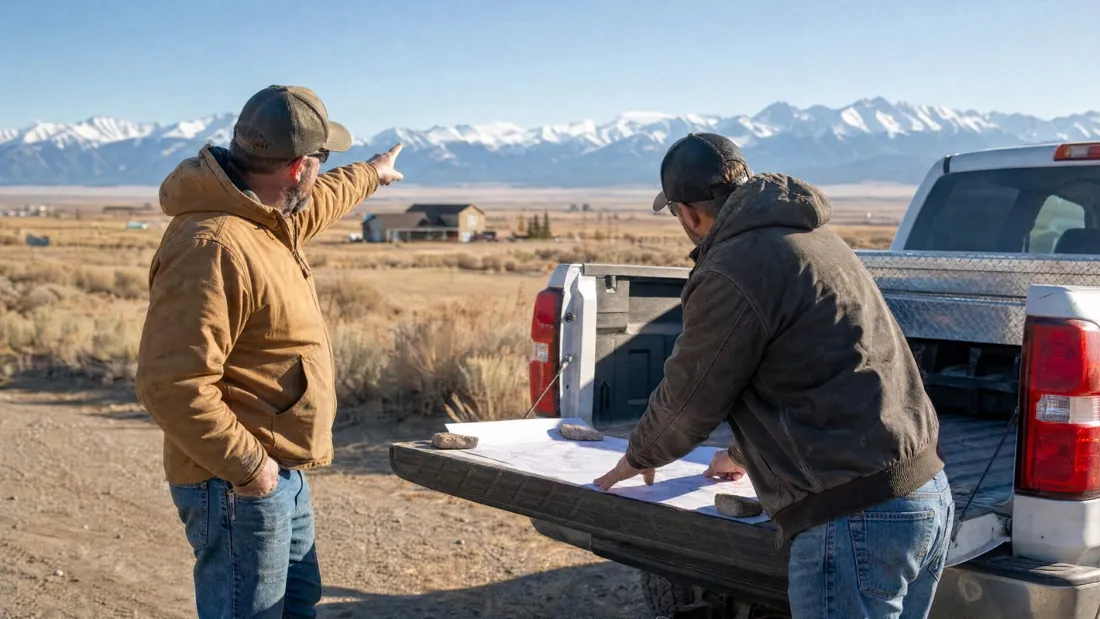
A replacement absorption area must be designed for the site's conditions and expected wastewater demand. The work may involve new trenches or another approved soil treatment configuration, but the correct approach depends on soil evaluation, groundwater conditions, available space, and local requirements.
Recognizing Leach Field Problems
Possible warning signs include persistent wet spots over the treatment area, sewage surfacing on the property, repeated backups, or a documented inability of the field to accept normal wastewater flow. Some symptoms may have other causes, so investigation is necessary. A single slow drain does not establish leach field failure. Property owners should avoid making major excavation decisions without first identifying the actual problem.
Understanding Why a Field Fails
A treatment area may be affected by long-term clogging, excessive wastewater loading, unsuitable soil conditions, high groundwater, physical damage, or construction that interferes with its intended operation. Heavy vehicle traffic and drainage changes can also create problems. The underlying cause matters because a new field can encounter similar difficulties if the conditions responsible for the original problem are not addressed.
Identifying a Replacement Location
Finding suitable replacement space can be one of the most important parts of the project. The new area must satisfy the applicable requirements for soil, groundwater separation, setbacks, and wastewater demand. An open portion of a yard is not automatically suitable. Wells, structures, existing fields, drainage features, and planned improvements may restrict where new treatment components can be installed.
Soil Evaluation and Approved Design
Soil evaluation provides information about subsurface conditions and the suitability of a proposed treatment area. The resulting findings help determine which configuration may be allowed and how much area is required. The design may use a conventional arrangement or another approved system suited to the documented conditions. The final configuration must follow the responsible authority's requirements.
Excavation and Field Construction
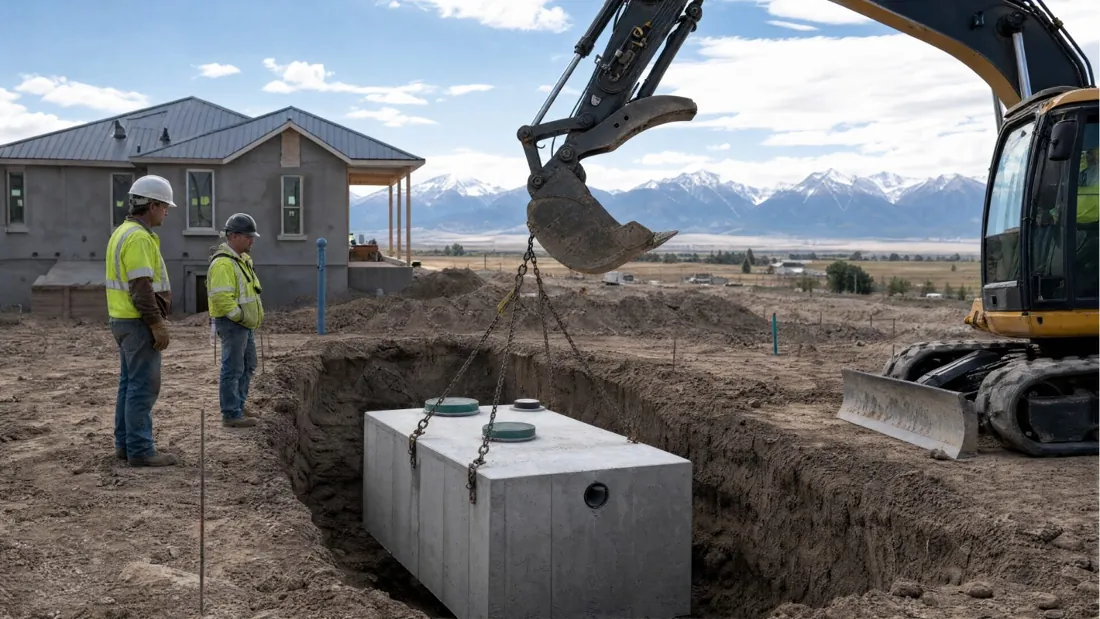
Construction involves preparing the treatment area to the required dimensions and elevations, installing the approved distribution components, and protecting the soil from unnecessary damage or compaction. Proper construction practices matter because the field's performance depends heavily on the condition of the receiving soil. Installation should follow the approved plans rather than changes made informally during excavation.
Keeping the Replacement Field Working
A replacement field needs protection after installation. Vehicles, buildings, inappropriate landscaping, excessive surface water, and unnecessary soil compaction can interfere with wastewater treatment. Regular septic tank maintenance and sensible household water use also help reduce avoidable loading on the treatment area. Property owners should keep records showing where the new components are located.
Why Choose Us for Leach Field Replacement?
Root-Cause Awareness
We focus on why an existing field is failing so the replacement approach addresses the actual conditions.
Soil and Groundwater Considerations
The suitability of the receiving soil is central to replacement planning, particularly where local water conditions vary.
Careful Use of Available Land
We recognize that wells, buildings, old treatment areas, and property boundaries can limit replacement options.
Long-Term Property Thinking
We emphasize protecting the completed field and keeping important system information available for future maintenance.
Request an Installation Quote
Share your existing septic field concerns and property location to discuss a possible replacement.
Free — no obligations
Steps in Planning a Leach Field Replacement
Review the Symptoms
Describe the drainage problems, wet areas, odors, or professional findings that raised concerns about the treatment field.
Assess the Existing Arrangement
Review available system information and determine what further evaluation is necessary.
Identify Suitable Replacement Space
Consider soil conditions, groundwater, setbacks, access, and the space needed for an approved treatment area.
Follow the Approved Design
Plan excavation and construction based on the required design and permit conditions.
Inspect and Protect the New Field
Complete applicable inspections and finish the site in a way that protects the treatment area's intended function.
Our Services in Alamosa, CO
Local Planning Resources
The EPA explains how the tank and soil treatment area work together. Ask the applicable local office about approvals before replacing a leach field.